132 pages · PDF and ePub
What is in the book
Fourteen chapters, forty recipes, four weeks of meals, and a cited notes section. Written by Robert R. Shreck, MD.
Inside the book
Every chapter, in order, with what it covers.
Introduction
- What This Book Is ForWhat you get, what it will not ask of you, and how to use it
Part One · Plants First, Protein On Top
- 1Like Vegan. But With Muscles.The two camps, the false choice, and what LP3 actually is
- 2The Plant BaseFiber, volume, which vegetables, and the one label claim worth trusting
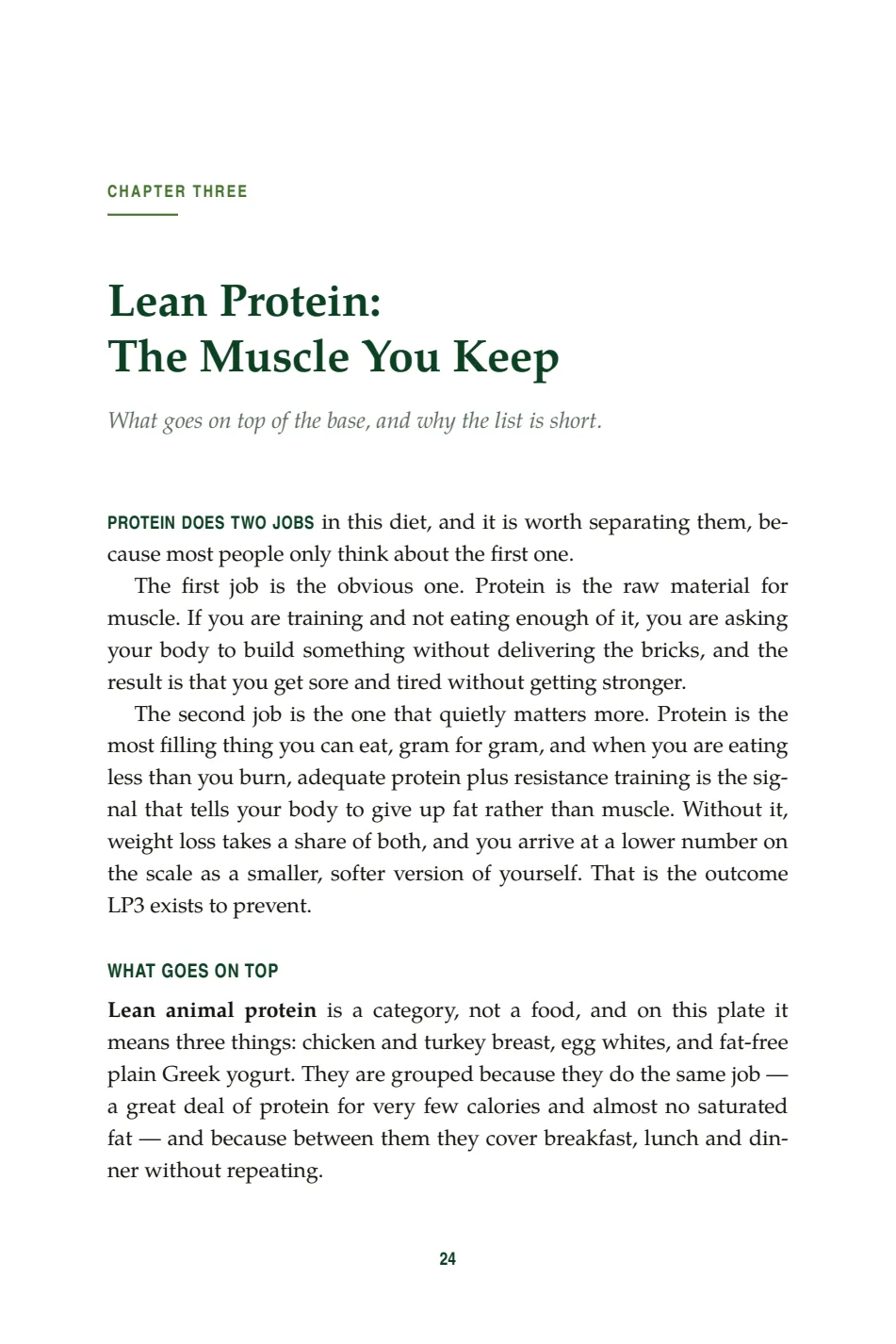
- 3Lean Protein: The Muscle You KeepWhy red meat, yolks and dairy are out, and where the honest boundary lies
- 4Omega-Rich SeafoodWhat nothing else on the plate replaces, and how to buy it
- Interlude: One Set of NumbersWhat happened when the author's son ate this way, shown with the holes in it
Part Two · The Method
- 5Building the LP3 PlateThe plate, hand portions, and building a meal from what is there
- 6Your Protein NumberTraining days, rest days, a worked day, why the number rises with age, and the versions without poultry
- 7Fat Loss Without the MathThe four levers, and how to tell if you are actually in a deficit
- 8Training That Earns the FoodTwo workouts run three times a week, double progression, and training after sixty
Part Three · The Kitchen
- 9The LP3 KitchenStaples, the Sunday hour, technique, budget, and feeding a household
- 10The Four-Week PlanThree weeks of meals with the shopping worked out, and a fourth you build yourself
Part Four · The Recipes
- 11Forty RecipesEvery one with numbered steps and the protein calculated
Part Five · The Real World
- 12Eating Out, Travel, and HolidaysCuisine by cuisine, airports, alcohol, business dinners
- 13When It StallsThe checklist in order, and when it is not the diet
- 14The Long GameComing out of the deficit, the two things that never loosen, and getting measured again
Reference
- The LP3 Food List
- Your Week — a blank planner
- Recipes by Main Ingredient
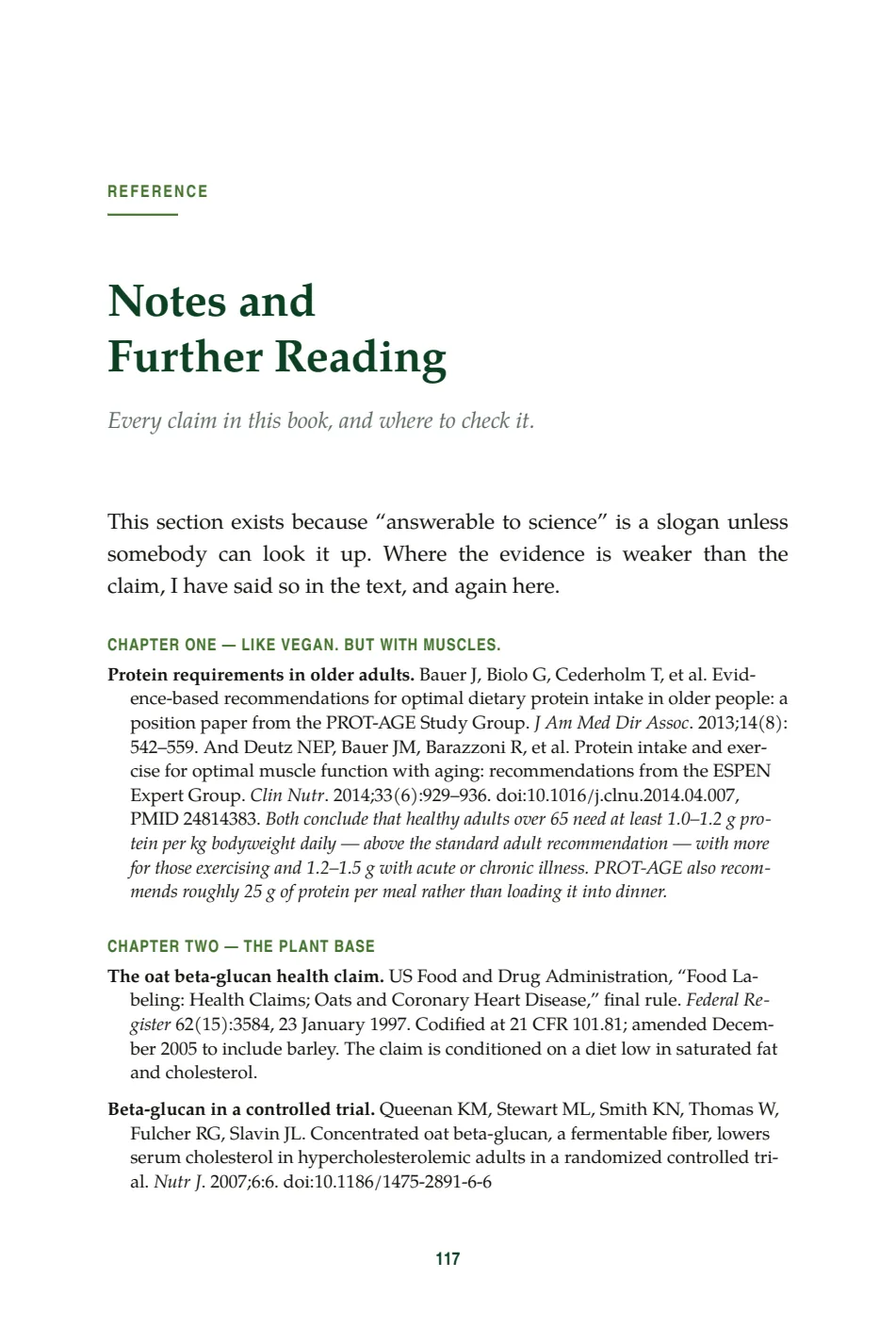
- Notes and Further Reading — every claim, cited
- About the Author
- A Note on Medical Advice
Look inside
4 pages, exactly as they appear in the book — same typesetting, same recipes, same way of counting the protein.
Questions people ask first
The honest answers, including where the evidence is thinner than the claim.
Is this a heart book or a muscle book?
Both, and that is the point. Eating mostly plants tends to improve your bloodwork, but it leaves most people short on protein, so muscle slips away over the years. Eating mostly protein keeps the muscle, but it crowds the plate with saturated fat. LP3 puts plants at the base and lean protein and fish on top, and keeps the food list short so that the protein does not cost you the rest.
So is this basically vegetarian?
Close in shape, not in practice, and the difference is deliberate. Plants are the base of every meal, and then lean animal protein — chicken and turkey breast, egg whites, Greek yogurt — and seafood go on top in the amounts your training actually calls for.
The seafood is there for a reason. In the Adventist Health Study, the pesco-vegetarian group — plants plus fish — had the lowest all-cause mortality of any diet group among 73,308 adults, below the vegans and the lacto-ovo vegetarians. In EPIC-Oxford, fish eaters had less heart disease than meat eaters without the higher stroke rate seen in the vegetarians there. Neither study tested LP3, and both are observational. They are the closest anyone has come, and they point at a plate with fish on it.
Do I have to count calories?
No. You start with plants and hit a protein target on top. Whole foods are filling enough that portion control mostly handles itself, and the book shows you how to check if it is working.
Can a plant-based plate really build muscle?
Yes, and this one has been tested directly. Nineteen habitual vegans and nineteen omnivores were put through twelve weeks of supervised resistance training with both groups brought to the same protein intake, about 1.6 g per kg per day. Neither the muscle nor the strength difference reached significance — cross-sectional area rose 2.2 cm² in the vegans against 2.8 in the omnivores — and the authors concluded a high-protein plant-based diet was “not different” from a protein-matched mixed diet (Hevia-Larraín et al., Sports Medicine, 2021).
Muscle comes from total daily protein and progressive training, not from any single food. Legumes and whole grains carry more protein than people expect, and the lean animal protein closes the gap. The study above was small, young and male, which is said on the evidence page alongside the finding.
What about eggs, dairy and red meat?
Red meat is out. Whole eggs are out, but egg whites are in. Dairy is out with a single exception: fat-free plain Greek yogurt, which earns its place on protein density alone.
Is this low-carb or keto?
Neither. Carbohydrates from vegetables, fruit, legumes, and intact grains stay on the plate. They are what fuel hard training.
Do I need supplements?
Not to follow the plan. The book covers the short list worth considering and the much longer list that is not.
What if I buy it and it is not for me?
Reply to your receipt within thirty days and I refund it. No reason needed, no form, and you keep the files — there is no way to take a PDF back and I am not going to pretend otherwise. The free sample is there so you can check first, but if the book is not what you wanted after reading it, I would rather give you the money back than have you feel sold to.
The LP3 Diet
The whole method, worked out. Eat until you are full, keep the muscle you have, and stop deciding what is for dinner. 132 pages.
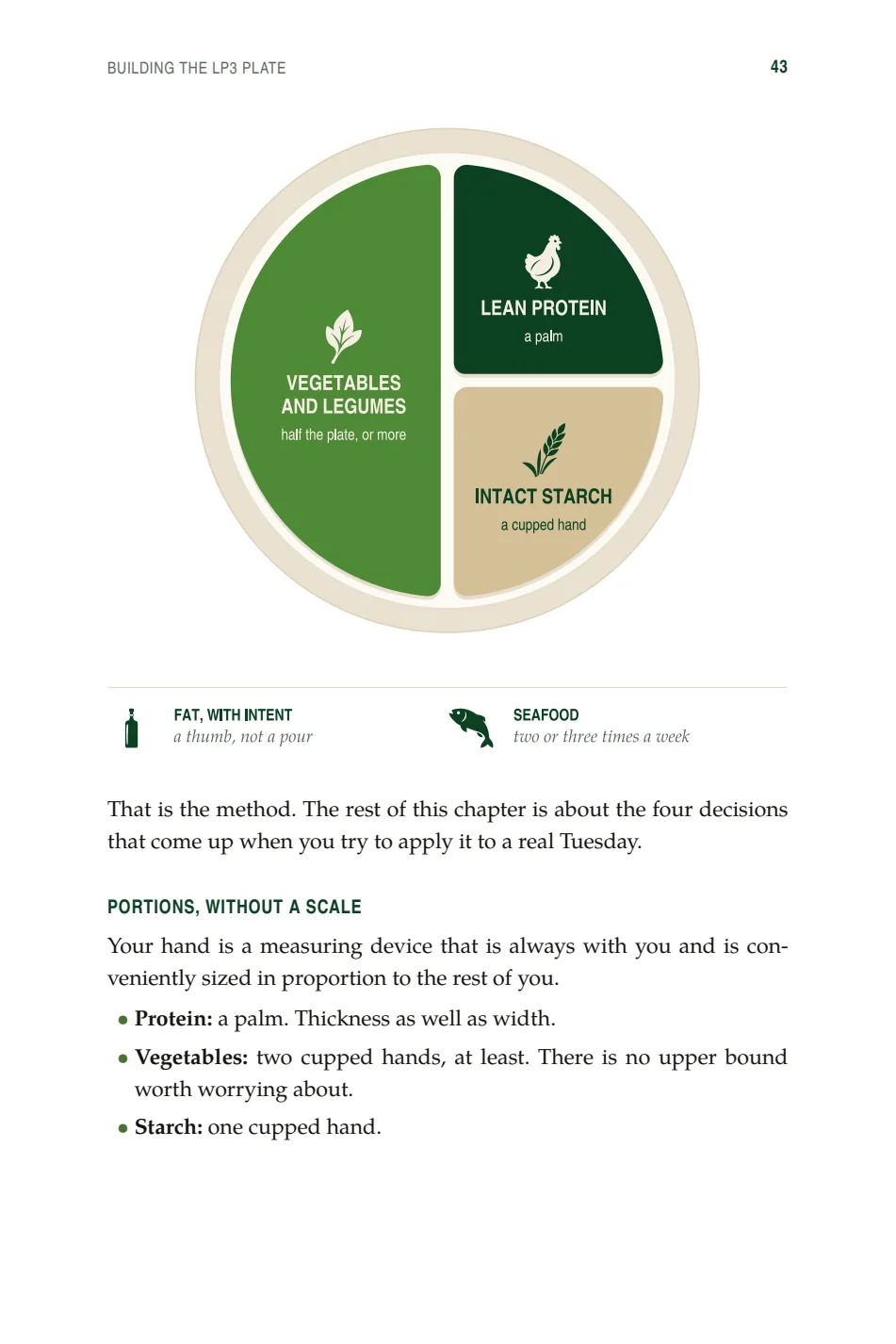
- The plate, in one picture — no counting, no logging, no app
- Your protein number, and why it goes up after sixty
- Four weeks of meals — three with the grocery lists already written, and a fourth you build yourself
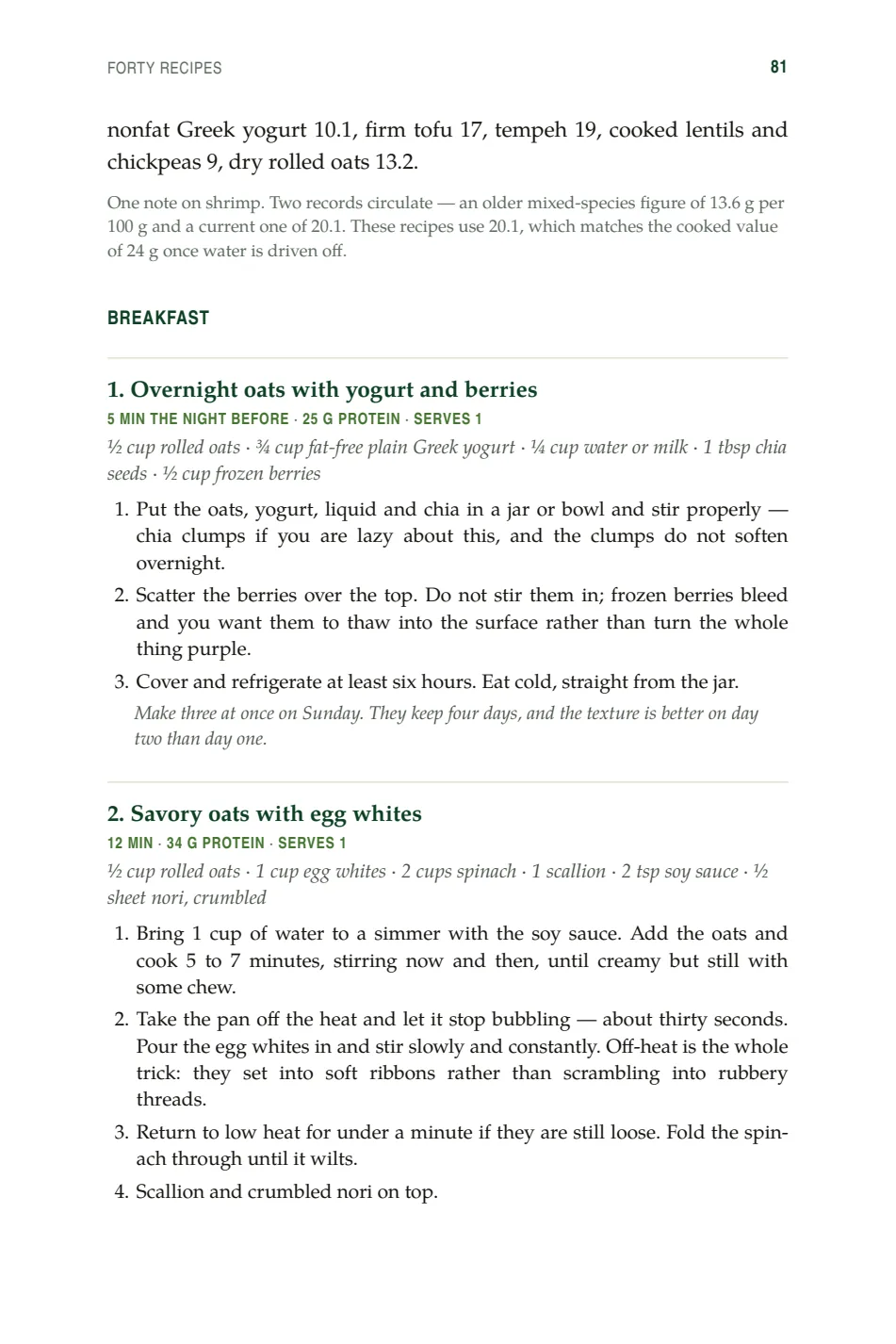
- 40 recipes, each with the protein per serving calculated from USDA reference values
- Three lifting sessions a week, written out, so the protein has something to build
- Restaurants, airports, holidays, and what to do when it stalls
- The Notes: every claim cited, the weak ones said to be weak
- Thirty days to change your mind — refunded on request, no form
Written by Robert R. Shreck, MD, medical oncologist.
$39.99
PDF and ePub, instant download. Read on anything.
Buy the bookDownload link emailed within minutes — both files, yours to keep. Thirty days to ask for your money back, no reason needed and no form to fill in: reply to the receipt and it is refunded. The free six-page sample below is real pages from the book, so you can read the writing before you pay. Terms.
Not sure yet? Read six pages free first.
Not ready to buy?
Six pages, free: the plate, the full contents, and one full day of meals with the recipes written out. No obligation, and you can read how the book is written before you buy it.
Rather not leave an address? Download it directly — no sign-up, nothing to unsubscribe from.